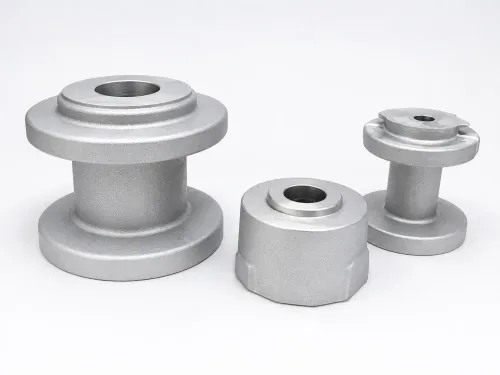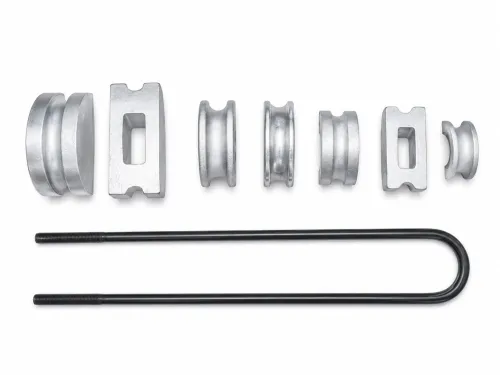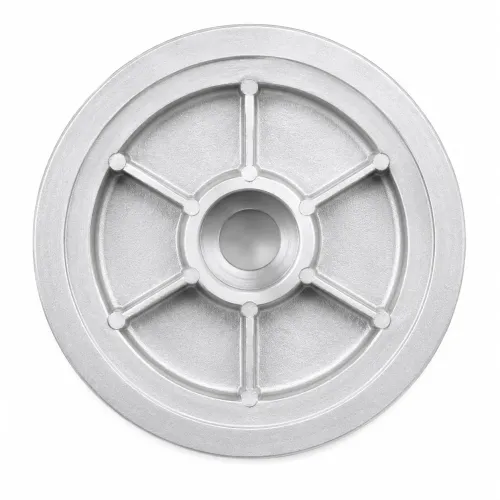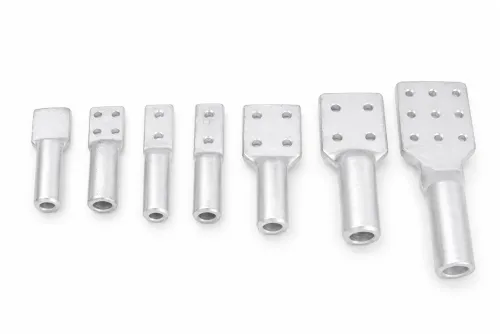

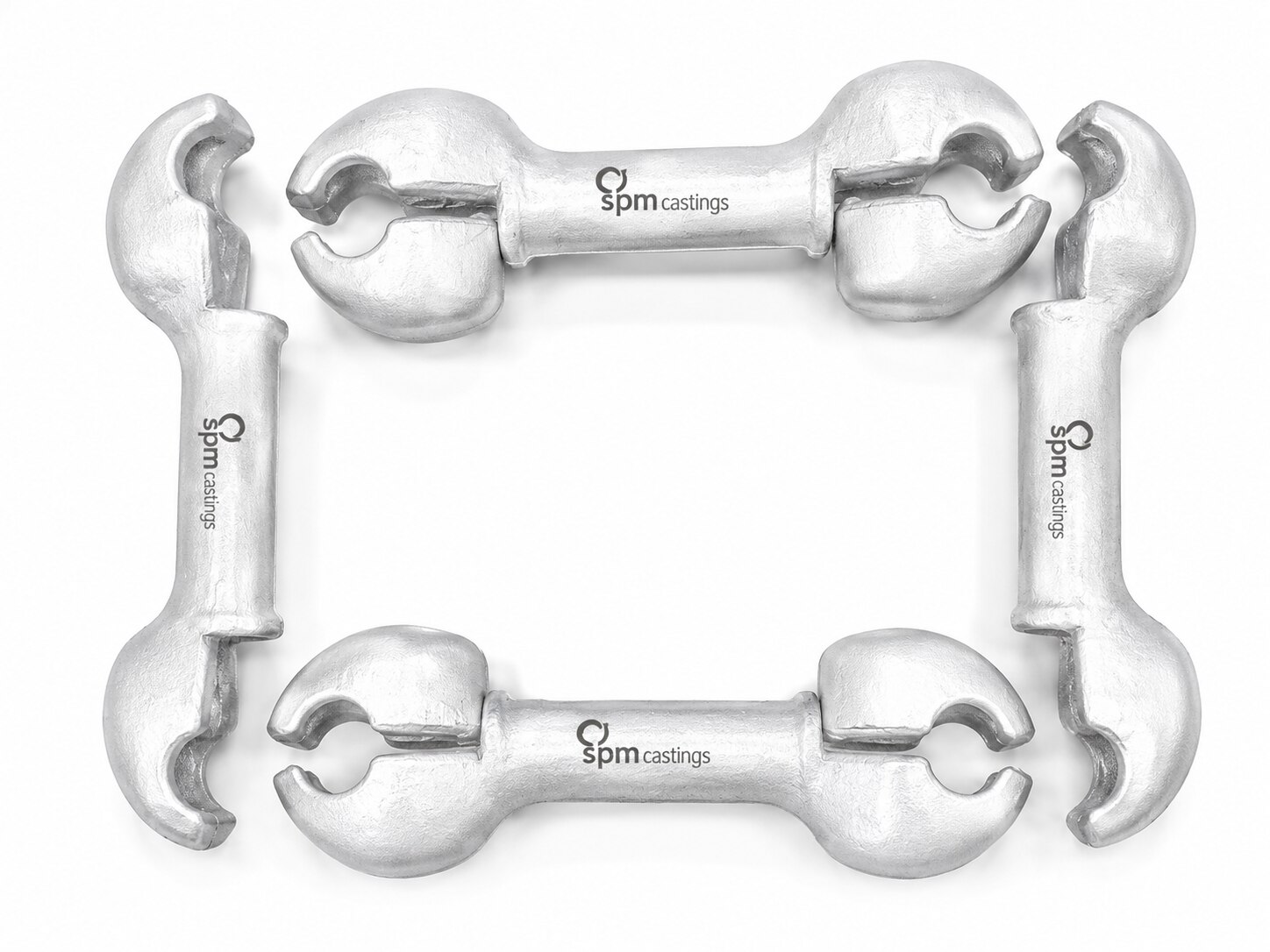
A textile-machine spacer is not fully identified by a ring shape, outside diameter, or overall length. Before requesting a quotation, you need to define its function, mating parts, finished geometry, material, tolerances, operating conditions, inspection documents, and packaging so the replacement does not disturb bearing preload, shaft play, pulley alignment, or frame position.
Key takeaways
- Identify the spacer by mating parts, installation position, and complete geometry.
- Dimension functional faces, bores, shoulders, threads, and tolerances on the drawing.
- Match aluminium or other materials to speed, load, contamination, and corrosion exposure.
- Include inspection, tooling, quantity, and packaging requirements in the quotation request.
Identify the spacer by function, location, and complete geometry
The question of what spacers include for textile machinery starts with function, not appearance. Identify the machine, assembly, station, spare-part number, installation orientation, shaft, housing, bearing, pulley, gear, roller, bobbin, guide, frame, motor mount, or guard it mates with.
State whether it sets bearing preload, separates frame plates, maintains alignment, controls bobbin position, supports a shaft, or acts as a stand-off.
Record the complete geometry:
- Specify the type: fixed spacer, stepped spacer, sleeve, collar, shim, standoff, bush, or bearing sleeve. These are not interchangeable; a loose sleeve cannot replace a bearing spacer that controls end-face separation, and a shim cannot replace a rigid stand-off under compression.
- Describe the body or sleeve, bore, outside diameter, overall height, shoulders, grooves, flanges, keyways, flats, counterbores, chamfers, radii, end-face reliefs, threaded holes, washers, and retaining features.
- Measure only after recording shaft and housing references. Capture stack height, shaft clearance, bolt-circle diameter, hole positions, and every shoulder location. Never order from an unscaled photograph or verbal dimension.
| Type | Function | Replacement risk |
|---|---|---|
| Fixed spacer | Maintains a set separation | Wrong length changes alignment |
| Stepped spacer | Locates parts by shoulder | Shoulder position may be handed |
| Sleeve or bush | Guides or protects a shaft | Bore wear and clearance matter |
| Shim | Adjusts a small axial gap | Cannot carry stand-off compression |
| Bearing sleeve | Controls bearing end-face spacing | Wrong length creates preload or shaft play |
Build the drawing and measurement package around functional faces
Nominal dimensions describe design intent; finished dimensions describe what the supplier must deliver. The spacers specifications for textile machinery must state units, datum references, drawing revision, and whether each value is nominal or finished.
1. Dimension the functional geometry: bore, outside diameter, stepped diameters, shoulder locations, functional end-face distance, and overall length. Add individual tolerances; do not let a general ISO 2768 tolerance replace controls on bearing faces.
2. For a bearing or precision stack, specify bore and outside-diameter fits, spacer length, end-face parallelism, perpendicularity to the bore, concentricity, and face runout. Use ISO 286 for size fits and ISO 1101 for geometric tolerances. State whether the spacer slides freely, locates a bearing, or clamps to a shaft.
3. Provide mating shaft and housing dimensions, tolerance classes, bearing or bush reference, assembly temperature range, and intended fit. State whether the length controls preload, internal clearance, or simple separation.
4. For holes, give diameter, position tolerance, counterbore or countersink, and datum. For threads, give standard, nominal size, pitch, class or fit, depth, blind or through condition, bottom clearance, structural-clamping or retention use, and locking method.
5. Add chamfer, deburring, casting-flash limits, and end-face relief. Specify surface-finish values by surface and measurement location for the bore, bearing seat, sliding surface, seal surface, and yarn-adjacent face; include measurement direction where it affects sealing or sliding.
Ask the supplier to confirm the drawing revision before production.
Choose material, manufacturing route, and protection for the duty
Aluminium spacers for textile machinery reduce rotating mass, but “aluminium” is not a sufficient material specification. Request the alloy designation, temper or heat treatment, mechanical-property certificate, and, for castings, the casting standard; EN 1706 covers aluminium casting-alloy designations.
| Material | Strength and weight | Wear, corrosion, expansion, and compatibility |
|---|---|---|
| Aluminium | Low weight; adequate strength only after load checks | Lower rubbing wear resistance; inspect galling, fretting, galvanic attack, and thermal expansion against steel shafts and fasteners |
| Steel | High strength and contact-pressure capacity; heavy | Good wear resistance; needs corrosion protection and isolation from dissimilar metals |
| Stainless steel | High strength with corrosion resistance; heavy | Suitable for washdown environments; check galling and shaft compatibility |
| Brass | Moderate strength and weight | Good sliding behaviour in some interfaces; confirm chemical compatibility and load capacity |
| Polymer | Very light; strength varies widely | Can wear, creep, swell, or expand substantially; verify temperature and chemical resistance |
Do not replace a brass or steel spacer directly with aluminium. Check load, contact pressure, impact, bore wear, shaft contact, and repeated sliding; specify a steel insert or separate bush when calculated wear requires it.
Gravity die cast blanks need machining allowance, porosity acceptance, and inspection because an as-cast bore or face is not a locating surface. Bar or tube machining suits small, simple parts; bosses, flanges, light-weighting, or volume can justify casting. SPM Castings can review a cast blank and CNC-machined route against the drawing and load data.
Specify anodising type, nominal thickness, colour, masking, and whether dimensions are before or after coating. ISO 7599 covers protective and decorative anodic oxidation; define hard anodising separately. Isolate aluminium from steel, brass, copper, moisture, and cleaning chemicals with washers, sleeves, coatings, or an electrically conductive finish. Include these choices in your spacers order details.
Related product
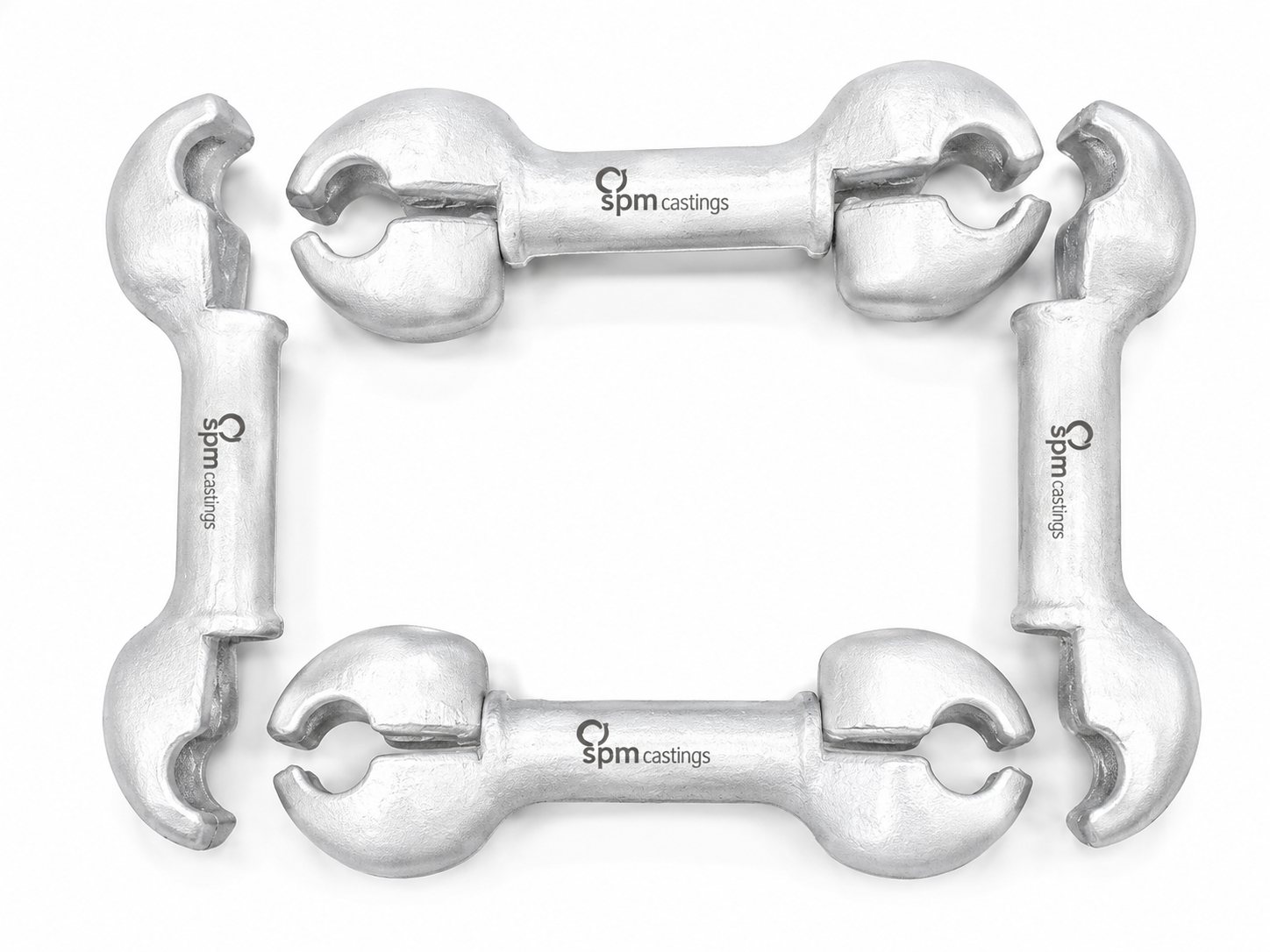 | Aluminium Gravity Die Castings Spacers Spacers are physical objects or materials used to create space, maintain a specific distance, or separate components in various industries. |
Match the specification to speed, load, contamination, and fit
1. Put operating conditions at the top of the order: shaft speed, radial load, axial load, contact pressure, clamping or tightening force, duty cycle, vibration, temperature range, and thermal expansion. State whether the spacer rotates against the shaft or housing.
A rotating spacer needs balance and runout limits; a clamped stand-off needs compression, buckling, and thread pull-out checks.
2. Describe contamination and cleaning exposure in the spacers specifications for textile machinery. State contact with oil, coolant, washdown chemicals, lint, and dust, plus the cleaning method. Near yarn paths, travellers, rollers, sensors, or high-speed spindles, set limits for burrs, sharp edges, loose particles, oil residue, casting pores, flash, parting lines, and lint-trapping grooves.
Recheck galvanic isolation where steel shafts or fasteners touch the spacer.
3. Define the fit and axial function, not just the bore. Incorrect length can create bearing preload, shaft play, pulley misalignment, belt-tracking errors, or frame distortion. Keep radial shaft clearance separate from axial stack height; a larger bore will not fix the wrong stack height.
For opposed bearings, state whether the length sets preload, internal clearance, or simple separation. Include bearing clearance, shaft and housing shoulder dimensions, clamping, and temperature effects. Validate a replacement by dry assembly before lubrication or final tightening: check free movement, shoulder seating, shaft runout, bearing feel, pulley alignment, and belt tracking, then apply final torque.
Put inspection, quantity, tooling, and packaging into the quotation request
1. Put the machine, assembly, part number, drawing revision, quantity, annual usage, delivery schedule, and repeat-order controls in the RFQ. A sample or photograph is supporting evidence only. State whether each dimension is finished or nominal, and provide every unit and datum.
2. Require the supplier to confirm the revision before manufacture and request sample approval for new geometry. Specify alloy and condition, casting or machining route, finished dimensions, tolerances, ISO 1101 controls, surface finish and measurement location, threads, holes, coating and masking. These spacers order details prevent an obsolete drawing from entering production.
3. Ask for the material certificate, heat-treatment record, hardness result where required, coating certificate, dimensional inspection report, first-article inspection report for critical tolerances, sampling plan, and lot or heat-number traceability. For cast-and-machined parts, include as-cast versus machined surfaces, machining allowance, porosity acceptance, finished bore and end-face inspection.
4. For gravity die casting, ask how prototype, low-volume, and production tooling change lead time and cost. Geometry and quantity decide whether casting is economical; simple close-tolerance spacers may suit bar or tube machining better. Require packaging that prevents bore damage, corrosion, thin-wall aluminium deformation, and mixed-part lots.
Copy the same requirements into the purchase order. A concise request can state: “Quote part number and revision ; confirm alloy, condition, route, inspection documents, sample approval, quantity , annual usage , delivery schedule , traceability, and packaging.” This captures what spacers include for textile machinery without leaving inspection or repeat-order controls to assumption.
Frequently asked questions
What details identify a spacer for textile machinery?
State the machine, assembly, station, spare-part number, installation orientation, mating components, and complete spacer geometry.
Which dimensions belong in a textile machinery spacer drawing?
Include functional face dimensions, bore and outside diameters, overall length, shoulders, threads, radii, chamfers, datums, tolerances, and surface-finish requirements.
How do you choose material and manufacturing route for a spacer?
Match the material and process to speed, radial or axial load, contamination, corrosion, fit, quantity, and required protection.
What should a spacer quotation request include?
Provide the drawing and revision, material, quantity, inspection records, tooling requirements, delivery packaging, marking, and acceptance criteria.