
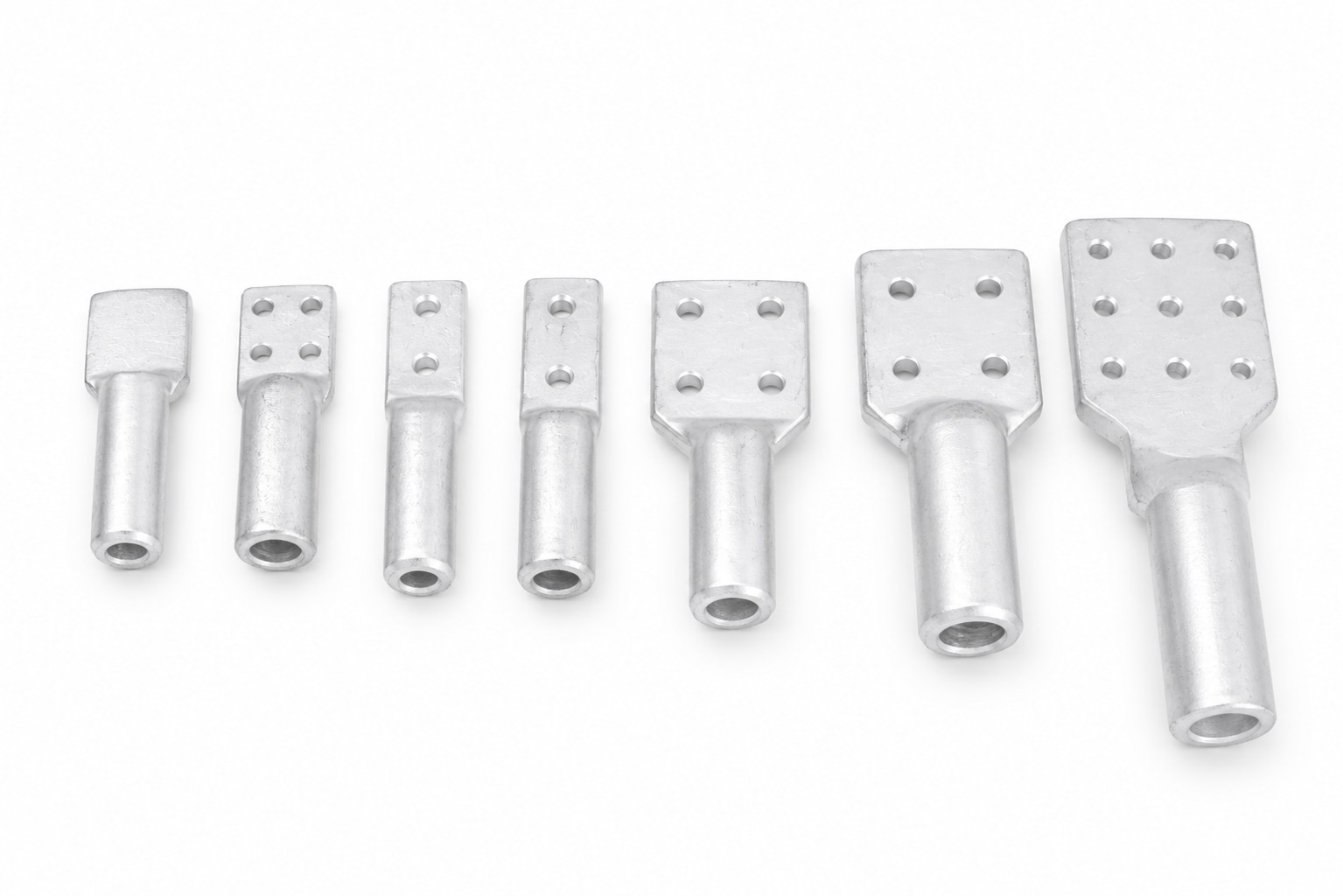
A palm clamp order is incomplete when it names only aluminium, cable size and quantity. By the end, you will know which electrical, dimensional, casting, machining, installation, inspection and delivery details to put on the purchase order so the part fits the equipment pad and meets its duty.
Key takeaways
- Define the clamp type and electrical connection before requesting a quote.
- Dimension bolt holes, palm width, thickness, cable entry and contact surfaces.
- State the alloy, current duty, finish, tests and manufacturing controls.
- Attach drawings, inspection criteria, packaging instructions and delivery documents.
Define the palm clamp and the electrical connection before requesting a quote
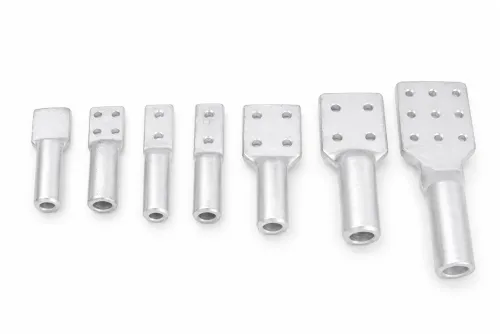
Before requesting a quote, identify both the clamp’s physical form and the electrical connection it must carry. “Palm clamp” alone could mean a palm-type cable lug, bolted palm connector, equipment-terminal clamp or custom cast-and-machined bracket.
1. State the product type and application: transformer bushing, busbar pad, circuit breaker, substation connector or another assembly. Specify whether it is for one conductor, twin conductors or a multi-conductor arrangement.
2. Describe the conductor: aluminium, copper or bimetallic; solid, stranded, compacted or sector-shaped; and its cross-section or outside diameter. Add the voltage class and cable standard. A nominal cable size does not always define the insertion bore.
3. Define the electrical interface, including bare aluminium, tin-plated aluminium, tinned copper, brass or a bimetallic transition. State the required contact area and finish because an unsuitable aluminium-to-copper interface can develop oxide or galvanic contact problems.
4. If it is a compression connector, name the approved crimping method, die identification, number and position of compressions, crimp dimensions, and whether the supplier must provide a crimp chart or installation instruction. The correct bore still fails with the wrong die.
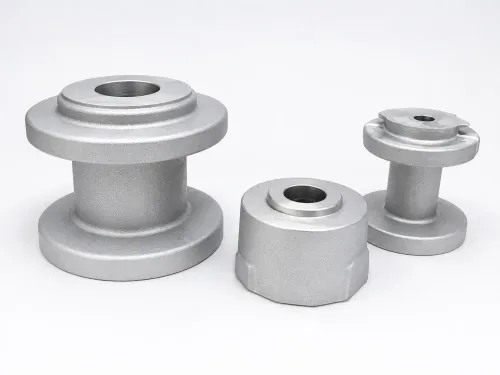
Include the palm clamp order details with a drawing or marked-up sample showing its geometry and connection orientation. This lets the supplier price the right palm clamp for electrical equipment rather than a visually similar casting.
Put every fit-critical dimension on the drawing
A hole pattern is not defined by “two-hole palm.” Put the exact hole count, hole diameter, centre-to-centre pitch, hole orientation, and edge distance from every hole to the palm edges on the drawing. “Standard palm” is not a universal dimension.
| Drawing item | State this measurement or choice | What it prevents |
|---|---|---|
| Palm | Width, length, thickness, and overall clamp length | A pad that overhangs, fouls adjacent hardware, or lacks stiffness |
| Holes | Count, diameter, pitch, slot length and width, if slotted | A mismatch with a transformer bushing, busbar, breaker pad, or substation connector |
| Conductor interface | Cable or conductor size range, material, bore or crimp geometry, and allowable entry angle | A clamp that accepts the bolt pattern but cannot grip the conductor |
| Geometry | Straight, offset, angled, narrow or wide; single, twin or multi-conductor | Wrong clearance or an unworkable cable route |
Add the terminal-pad length and the distance from the conductor interface to the first hole. Show the hole layout from a named datum, not from an unmarked edge. Include a section view for stepped, angled or cast features.
State whether the part is a palm-type cable lug, bolted palm connector, equipment-terminal clamp, or custom cast-and-machined bracket. Those names change the interface and tightening arrangement.
Your palm clamp specifications should assign individual casting and machining tolerances. If you omit them, cite the required ISO 8062-3 casting-tolerance grade and machining-tolerance grade in the palm clamp order details. A new pattern or CNC fixture deserves a first-article dimensional report before batch production.
Specify the alloy, electrical duty and manufacturing controls
An aluminium palm clamp casting is qualified only when its alloy, electrical duty and inspection route are written into the order; conductivity and a clean silhouette prove neither current capacity nor reliability.
State the exact product type, alloy designation, temper where applicable, and the approved casting process. Then define these palm clamp specifications:
- Current rating or permitted temperature rise, operating-temperature range, short-circuit withstand duty and the test standard used to verify them.
- Electrical interface: bare aluminium, tin-plated aluminium, tinned copper, brass or a bimetallic transition. Specify contact area, surface finish and plating thickness.
- ISO 8062-3 casting-tolerance grade, machining-tolerance grade, drilled-hole tolerances and required surface finish. Never allow a supplier to select a generic tolerance silently.
- Acceptance limits for cracks, cold shuts, oxide films, shrinkage cavities, gas porosity and leakage paths around holes. Require radiography, dye penetrant testing, pressure testing or sectioning where the drawing identifies that risk.
| Casting route | Dimensional and defect implications | State this in the order |
|---|---|---|
| Gravity sand | Larger variation and machining allowance | Approved only for the specified geometry and inspection level |
| Permanent mould | More repeatable geometry and surface finish | Confirm alloy, tooling and tolerance capability |
| Low-pressure or die casting | Higher repeatability, with process-specific porosity risks | Require process approval and internal-defect verification |
A qualified part therefore arrives with traceable material and test records, not merely matching dimensions. Surface appearance cannot establish electrical performance.
Include joint preparation, fastening and approval requirements
An installation drawing must state how the palm clamp for electrical equipment will be prepared and connected, not just its dimensions. Identify the conductor material, contact-interface finish, contact area, surface-cleaning method, joint compound, and whether an aluminium-to-copper bimetallic transition is required.
Oxide left on bare aluminium or an unsuitable plating can increase resistance, heating, and galvanic attack.
Specify the fastening system in the purchase documents. Include bolt grade and material, nut and washer arrangement, thread standard, tightening torque or torque range, and whether serrated washers or compound are required. State whether torque applies to dry, lubricated, plated, or stainless-steel fasteners; these conditions are not interchangeable.
Include the following installation and approval information:
- Approved conductor-entry direction and any permitted bend or alignment
- Compression tool and die identification, number and position of compressions, crimp dimensions, and required crimp chart for compression designs
- Required current rating, temperature-rise limit, operating-temperature range, short-circuit duty, and named test standard
- Inspection points for contact area, plating thickness, hole condition, burrs, casting defects, and final torque
- Required installation instruction, material certificates, dimensional inspection report, electrical test results, and approval signature before release
The palm clamp specifications should also identify the acceptance criteria for rejected plating, cracks, porosity, damaged threads, and hole misalignment. A part that fits mechanically but lacks approved assembly instructions or test evidence is not ready for service.
Turn the specification into a complete purchase and delivery package
A quotation is not a complete order until it controls approval, production, inspection and transport. Put the palm clamp order details on one controlled drawing and purchase order; a phone instruction cannot resolve a hole-spacing dispute after casting.
1. Require a first-article sample before batch production. The supplier must submit a dimensional report, alloy and chemical-composition certificate, coating or plating certificate, and inspection records for every critical electrical-contact surface. Approve the sample in writing before authorising the full run.
2. State the acceptance checks for the aluminium palm clamp casting. Define allowable cracks, cold shuts, oxide films, shrinkage cavities, gas porosity and leakage paths around drilled holes. Specify when dye penetrant testing, radiography, pressure testing or sectioning is required; visual inspection will not reveal internal porosity reliably.
3. Attach the approved crimping method where the design uses compression. Name the die and tooling, number and position of compressions, required crimp dimensions, and the crimp chart or installation instruction the supplier must provide. Also identify the casting and machining tolerance grades under ISO 8062-3 rather than accepting an unnamed “standard tolerance.”
4. Write the palm clamp order details in Kolhapur as commercial terms: ex-works or delivered price, GST and HSN treatment, delivery address, packaging against casting damage and moisture, freight responsibility, and unloading responsibility. Require the packing list, invoice, inspection release, certificates and delivery note with each shipment.
SPM Castings should receive the same controlled approval package as any supplier: a signed drawing revision, sample approval and traceable batch records.
Related product
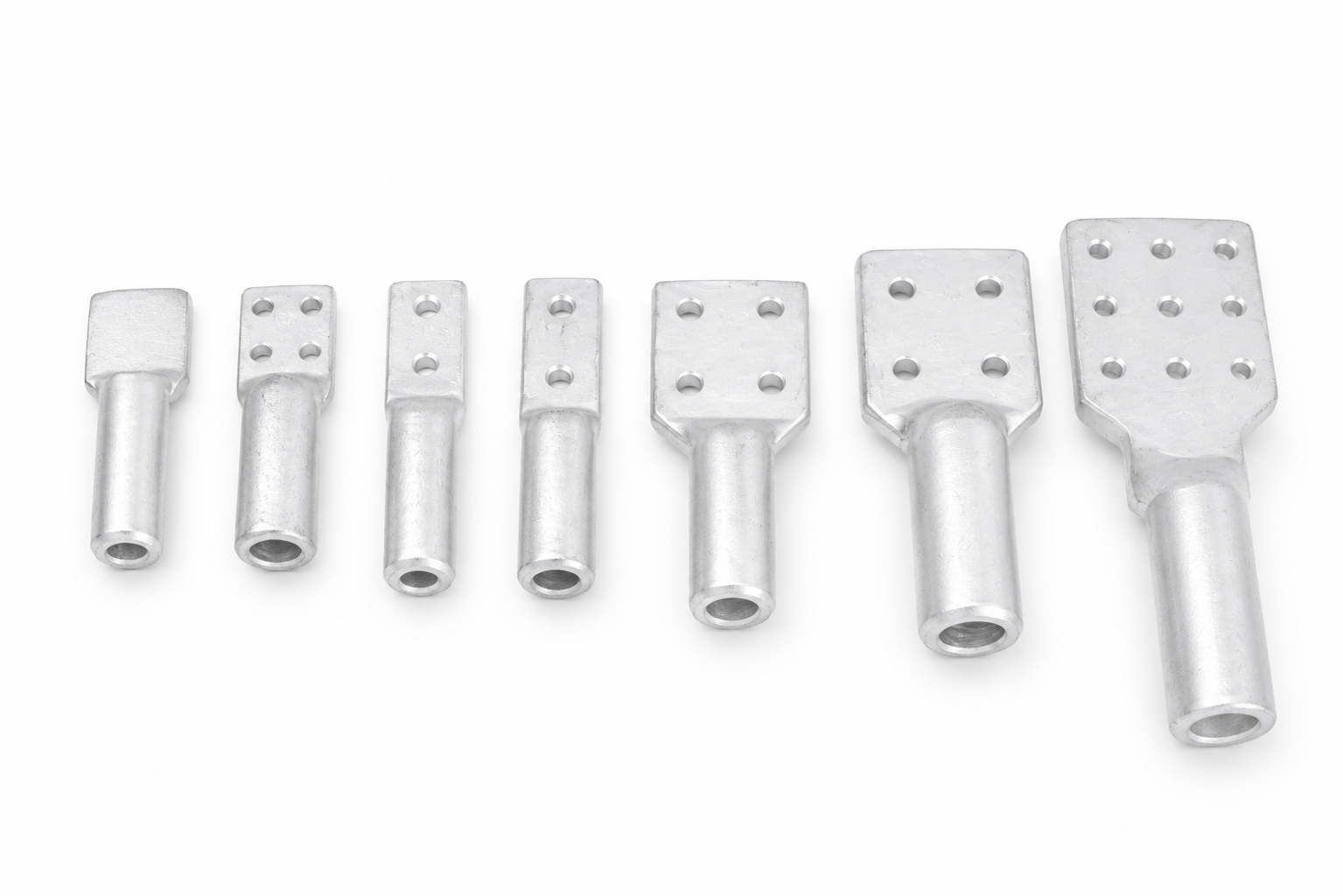 | Aluminium Gravity Die Castings A palm clamp (or palm connector) is an electrical fitting used to connect cables or stranded conductors to flat equipment terminals, such as... View product → |
Frequently asked questions
What should you define before ordering a palm clamp for electrical equipment?
Name the clamp form, conductor or terminal connection, equipment interface, current duty and installation environment before requesting a quote.
Which dimensions must appear on a palm clamp drawing?
Show palm length and width, thickness, bolt-hole diameter and spacing, cable entry, contact surfaces, radii, tolerances and datums.
What material and manufacturing details belong in a palm clamp specification?
State the aluminium or brass alloy, conductivity requirement, casting and machining controls, surface finish, inspection method and acceptance limits.
What should the purchase and delivery package include?
Include the approved drawing, bill of materials, quality requirements, inspection records, traceability documents, packaging instructions and delivery schedule.