
The better material depends on whether the part carries electrical current, holds a mechanical joint, or performs both duties in a wet, vibrating environment. By comparing load, conductivity, corrosion exposure, joint geometry, and casting requirements, you can specify the material, finish, dimensions, and tests without relying on the ambiguous term “palm clamp.”
Key takeaways
- Use a mechanical palm clamp to retain pump parts, not as an electrical connector.
- Choose aluminium for low weight; choose brass for conductivity and tougher exposure conditions.
- Separate dissimilar metals and seal the joint to limit galvanic corrosion.
- Specify alloy, casting method, machined tolerances, bolt pattern, preload, and inspection records.
First define what the palm clamp does on the pump
A palm clamp for pump equipment is usually a mechanical retaining clamp, not an electrical connector. It holds a pump casing, cover, pipe, hose, motor assembly, or another component against a mating surface by applying clamping force through bolts or threaded hardware.
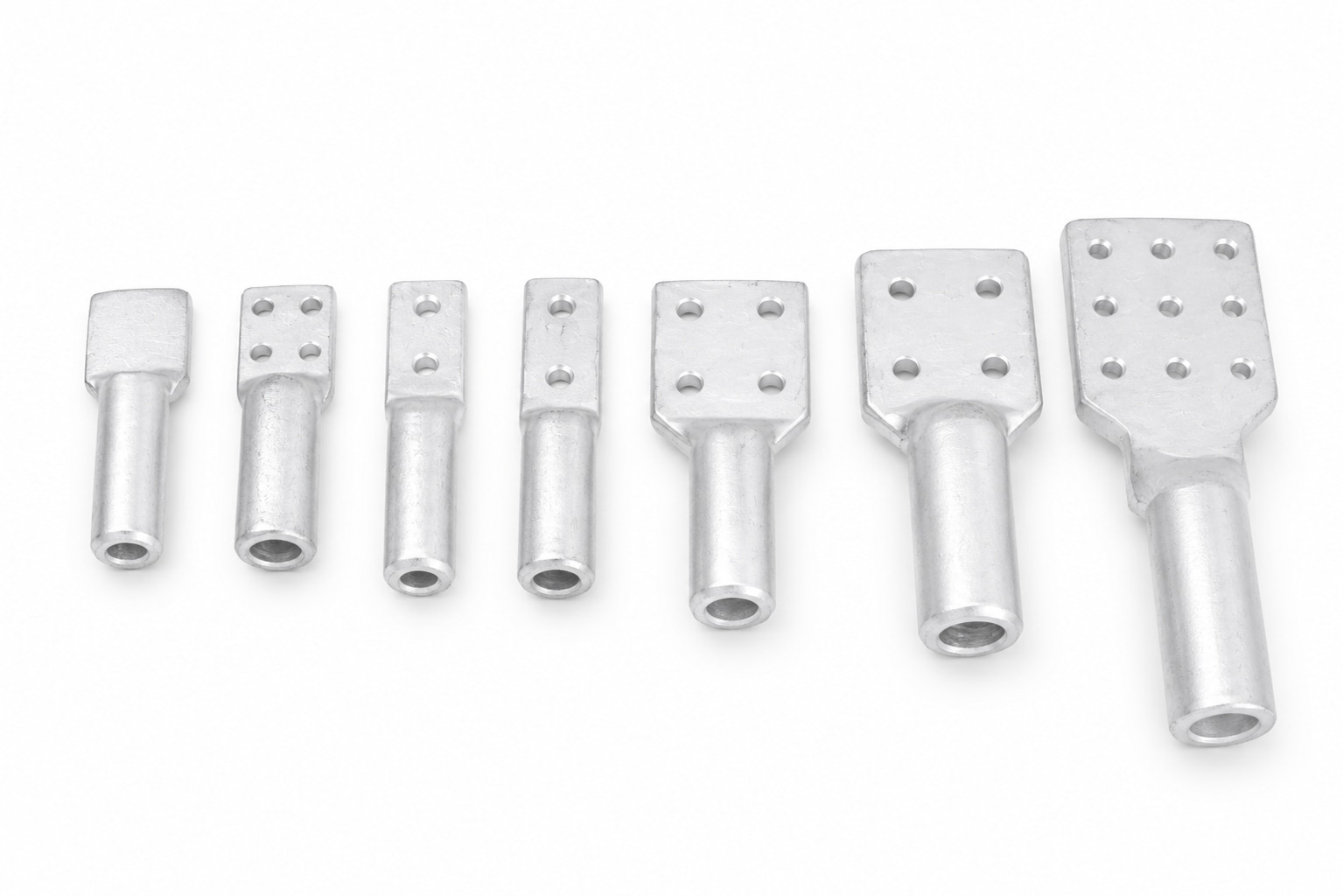
“Palm” normally describes the clamp’s broad, flat lug or pad. The lug may contain one or more bolt holes, while the clamp body transfers load around a casing joint or support. A thin palm can fail at the hole through bearing, tear-out, bending, or vibration fatigue before the alloy itself reaches its tensile limit.
Treat the part as an electrical connector only when the drawing identifies that function. Check for:
- A conductor entry or cable lug interface
- A defined contact pad, bolt size, and current rating
- Electrical-contact or grounding requirements
- Insulation, plating, washer, and corrosion controls
The name alone is not enough for a casting or machining quotation. Supply the drawing, envelope dimensions, load direction, bolt grade, tightening torque or preload, bearing areas, unsupported span, and expected vibration. State whether the clamp is wetted, pressure-retaining, or exposed to pump fluid. These details determine the design; the word “palm” does not.
Choose aluminium or brass from load, weight, and exposure
The choice between palm clamp aluminium or brass depends on load path, weight limit, bolt duty, and fluid exposure. For a light, dry clamp, aluminium reduces mass; for a compact, repeatedly loaded, wetted joint, brass is usually safer.
| Material | Load and weight | Exposure and joint |
|---|---|---|
| Aluminium | About 2.7 g/cm³, compared with 8.3–8.7 g/cm³ for brass. Use extra section because aluminium’s modulus is about 69–72 GPa versus 95–110 GPa for brass. | Pitting and galvanic attack are risks against copper alloys, stainless steel, or carbon steel in conductive water, fertilizer solution, salt water, or process fluid. |
| Brass | Heavier, but better suited to small cross-sections, repeated bolt loading, frequent thread engagement, and resistance to galling, fretting, and local crushing. | Usually the safer choice for exposed joints, though the exact alloy and fluid still require review. |
Choose an aluminium palm clamp when mass matters and the design provides steel thread inserts, longer engagement, hardened washers, and drainage. A damaged coating at the bolted interface does not stop galvanic attack; isolate the metals with washers or sleeves and seal electrolyte paths.
Do not qualify either material with static proof load alone. Check bolt-hole and fillet fatigue, vibration slip, preload loss from embedding or thermal cycling, and corrosion-fatigue. Test torque and cyclic load on production-process castings, not only on a machined-from-solid sample.
Install an electrical palm clamp without creating a corrosion-prone joint
A palm clamp for pump equipment needs a joint that stays electrically conductive, mechanically tight, and dry. De-energise the circuit, lock out the pump, and verify zero voltage before removing the existing connection.
Clean the palm, lug, and mating pad to bright metal; remove oil, casting flash, paint, and loose oxide without gouging the contact faces.
1. Prepare the conductor to the lug manufacturer’s strip length. Keep strands intact, insert the conductor fully, and crimp with the specified die. Do not solder a power-cable end unless the equipment standard specifically permits it; solder can soften under heating and vibration.
2. Assemble the lug flat against the palm or terminal pad. Use the specified bolt grade, a flat washer under the nut, and a locking method approved for the vibration level. Keep washers, sealant, and anti-oxidation compound out of the electrical contact path.
3. Tighten with a calibrated torque wrench to the lug or equipment manufacturer’s value. Record the torque and inspect for a tilted lug, exposed strands, stripped threads, or contact gaps. Do not substitute “tight by feel” for a torque value.
4. Isolate dissimilar metals when the mounting joint is not the intended current path. Use compatible plating, insulating washers or sleeves, and a sealed interface where an aluminium palm meets brass, bronze, stainless steel, or carbon steel.
Seal exposed edges against water ingress, leave a drainage route, and eliminate pockets that retain pump water or chemical fluid. Coating the aluminium alone does not protect a damaged contact area; inspect the joint after vibration and thermal-cycle testing.
Size the palm, bolt holes, and joint for current, preload, and vibration
Select the palm from the joint load, not the alloy’s headline tensile strength. Record conductor cross-section, continuous and fault current, operating temperature, terminal-pad width, palm thickness, bolt diameter and grade, hole spacing, bearing area, unsupported span, tightening torque or target preload, and the required safety factor.
- Check hole bearing, edge tear-out, bending, and fillet fatigue; a thin palm can fail in these modes before the casting reaches its tensile limit.
- Verify that preload remains above the slip threshold during vibration, embedding, and thermal cycling.
- Specify the motor’s vibration level, duty cycle, temperature range, fluid exposure, and any corrosion-fatigue concern.
- Use steel inserts, longer thread engagement, or hardened washers when cast aluminium threads or bearing faces risk stripping, crushing, or fretting.
For a palm clamp, aluminium or brass changes the design margin as well as the weight. Compare the options against the actual joint:
| Option | Check closely | Selection consequence |
|---|---|---|
| Aluminium | Lower mass; galvanic coupling; hole bearing; thread preload retention | Add isolation, sealing, drainage, inserts, or larger bearing areas |
| Brass | Higher mass; repeated loading; thread wear and galling | Suits small sections, frequent tightening, and wear-prone joints |
Qualify cyclic pump service with production-process castings, not only a machined-from-solid sample. A torque-and-load test should measure slip, permanent deformation, preload loss, and cracking at holes and fillets after vibration and thermal cycles.
Specify the casting process, machining, and inspection before ordering
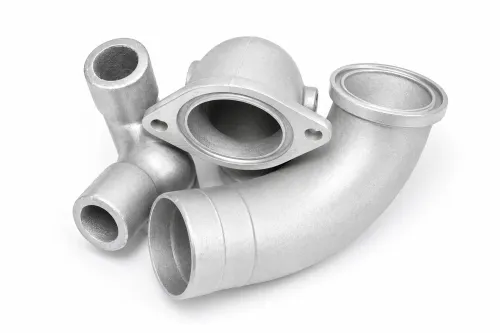
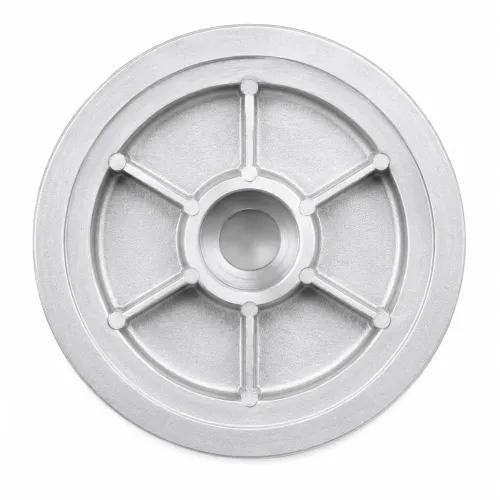
Your supplier drawing and inspection plan should state the alloy, casting route, machining datums, functional tolerances, defect limits, repair rules, and acceptance tests for the palm clamp casting.
1. Name the cast alloy and process. For aluminium, identify gravity sand casting to ASTM B26/B26M or permanent-mold casting to ASTM B108/B108M; use pressure die casting to ASTM B85/B85M only after validating thick-section fatigue performance. For brass, specify a cast-brass designation, not wrought free-machining C360 bar stock.
2. Mark datum surfaces and machining allowance on bolt holes, locating faces, seal faces, and the clamping face. Give true position, hole size, flatness, parallelism, and tapped-hole depth; as-cast tolerances cannot control gasket compression or clamp load.
3. Define acceptable porosity, cold shuts, cracks, and inclusions before machining. State whether plugged porosity, impregnation, or weld repair is allowed, and prohibit repairs that affect a structural section unless an approved procedure controls distortion and properties.
4. Require dimensional inspection after machining, thread gauges for tapped holes, and visual or penetrant testing where cracks threaten the joint. Inspect casting quality before machining because cutting can expose hidden voids.
5. For cyclic pump vibration, require a prototype torque-and-load test using production-process castings. Check bolt-hole and fillet fatigue, joint slip, preload loss, and corrosion exposure; a machined-from-solid sample proves little.
Give SPM Castings these requirements as controlled drawing notes and an inspection plan, not as an informal purchase description.
Related product
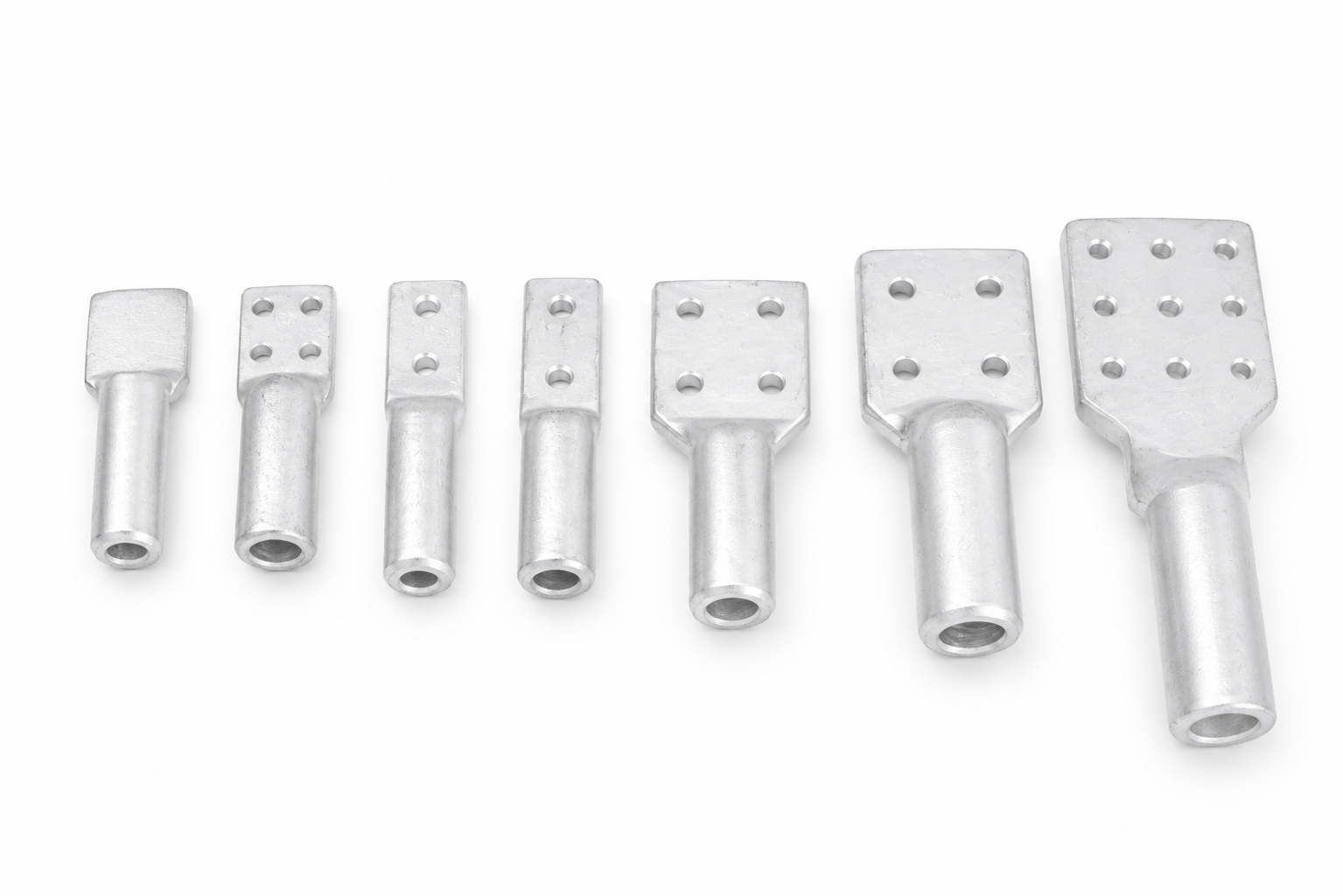 | Aluminium Gravity Die Castings A palm clamp (or palm connector) is an electrical fitting used to connect cables or stranded conductors to flat equipment terminals, such as... View product → |
Frequently asked questions
What does a palm clamp do on pump equipment?
A palm clamp is a mechanical retaining part that holds a casing, cover, pipe, hose, motor assembly, or other component against a mating surface using bolts or threaded hardware. It is not automatically an electrical connector.
Should you choose an aluminium or brass palm clamp?
Choose aluminium when low weight and adequate mechanical strength matter most. Choose brass when electrical conductivity, wear resistance, or exposure conditions justify its higher weight. Check load, temperature, fluid contact, and galvanic compatibility before selecting the alloy.
How do you install an electrical palm clamp without causing corrosion?
Keep the joint clean, use compatible contact surfaces, isolate dissimilar metals with suitable washers or coatings, protect exposed edges, and control bolt preload. Do not rely on paint or sealant where the joint must carry current.
What should you specify before ordering a palm clamp casting?
Specify the alloy, casting process, drawing dimensions, bolt-hole locations, machined faces, tolerances, surface finish, preload target, vibration conditions, and inspection records. Request checks for dimensions, porosity, cracks, threads, and contact surfaces.