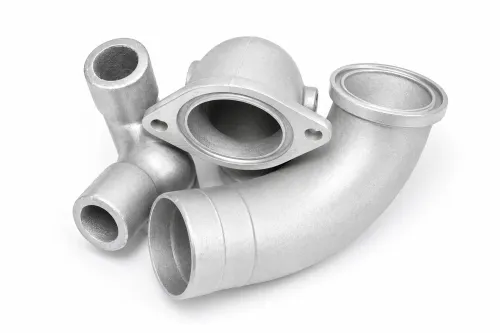

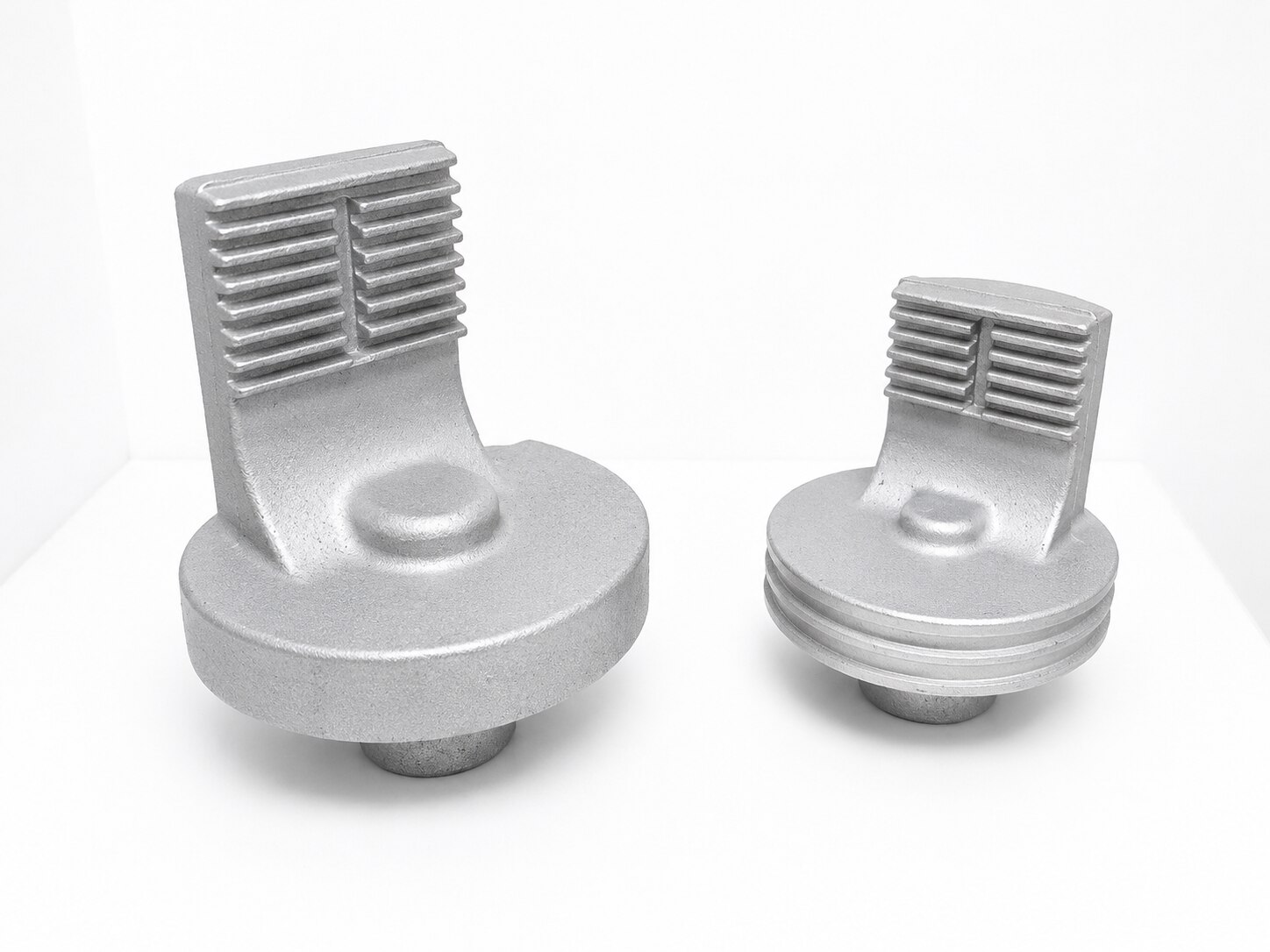
An aluminium piston can reduce reciprocating mass and move heat away from the working zone, but those advantages disappear if the piston runs against the wrong liner, seal, clearance, or temperature range. By the end, you will be able to screen an application, compare aluminium with iron and steel, and write a replacement-piston specification that a supplier can manufacture and inspect.
Key takeaways
- Choose aluminium when low reciprocating mass and heat transfer outweigh wear concerns.
- Compare aluminium with iron, steel, and reinforced pistons at your actual pressure and speed.
- Set clearance using operating temperature, bore geometry, and measured surface finish.
- Specify the alloy, casting inspection, tolerances, and machined surfaces on the purchase order.
Start with the operating conditions, not the metal name
A piston running near ambient temperature, at moderate pressure and speed, is a strong aluminium candidate when reducing reciprocating mass matters. Aluminium weighs about one-third as much as steel and transfers heat faster, which can reduce inertia loads and help remove heat from a hydraulic, pneumatic, or process machine.
Choose an aluminium piston for industrial equipment in Chhatrapati Sambhajinagar when the cylinder has controlled side loading, seals or guides carry little wear, and the duty cycle does not keep the piston hot. Check these conditions before choosing the material:
- Use aluminium for fast reciprocation, frequent starts and stops, or equipment where motor energy and vibration are important.
- Reject unprotected aluminium when abrasive particles, high side load, poor lubrication, or a rough steel liner will wear the piston quickly.
- Treat continuous combustion, compressor discharge heat, or severe thermal cycling as a separate design problem; rising temperature reduces aluminium’s strength and increases expansion.
- Account for moisture and conductive contamination in mixed-metal assemblies, because galvanic corrosion can attack aluminium.
| Material | Main advantage | When it applies |
|---|---|---|
| Aluminium | Low mass and strong heat transfer | Moderate-temperature service with managed wear |
| Ductile iron | Higher hardness and wear resistance | Heavy side load, abrasion, or slower reciprocation |
| Steel | High hot strength and stiffness | High pressure, temperature, or shock loading |
| Reinforced or coated aluminium | Lower mass with protected working surfaces | Aluminium duty where grooves, lands, or skirts need extra wear life |
A piston for industrial equipment should therefore be selected from pressure, speed, temperature, side load, wear life, and sealing requirements—not metal preference alone.
Compare aluminium with iron, steel, and reinforced designs
Choose aluminium when high reciprocating speed, low moving mass, heat transfer, and corrosion resistance matter more than maximum hot strength and sliding wear life. A piston for industrial equipment running slowly under heavy side load needs a different answer.
| Material | Speed and mass | Load, temperature and wear | Best fit |
|---|---|---|---|
| Aluminium alloy | Lowest mass; reduces inertia at high cycle rates | Suits low-to-moderate pressure near ambient temperature; needs a wear ring, coating, or compatible guide | Fast hydraulic, pneumatic, and light-duty pump mechanisms |
| Ductile or cast iron | Heavier; increases reciprocating loads | Strong wear resistance and dimensional stability; handles sustained contact and moderate heat | Slow, heavily loaded cylinders with long wear-life targets |
| Steel | Heavier than aluminium; high stiffness | Best for high pressure, shock load, elevated temperature, and severe side loading; machining costs more | Heavy-duty compressors, engines, and high-load actuators |
| Reinforced aluminium | Retains low mass while adding inserts or coated working surfaces | Improves skirt wear and load capacity; adds design, inspection, and machining steps | Fast systems where plain aluminium would scuff |
Compare expected quantity and total machining cost, not material price alone. High-silicon aluminium improves scuff resistance but accelerates cutting-tool wear, so batch consistency depends on tooling and coolant control.
Aluminium loses its advantage when seals, guides, or liners dominate friction, or when hot strength controls failure. Ductile iron or steel is safer for continuous heat, abrasive contamination, and high side load; reinforced aluminium suits the middle ground.
Set clearance from temperature, bore geometry, and surface finish
Clearance must be calculated from the hot piston and hot cylinder, not copied from a steel-piston drawing. Common aluminium alloys expand at roughly 22–24 × 10⁻⁶/K, compared with about 11–13 × 10⁻⁶/K for carbon or low-alloy steel.
In a steel liner, the aluminium piston can grow faster, close the running gap, and seize; excessive clearance instead causes leakage, noise, and skirt impact when cold.
Set the calculation around these inputs:
- Measure piston temperature and liner temperature separately. The piston may run hotter because of friction, pressure, or poor heat transfer, while the liner temperature follows coolant, process fluid, or surrounding housing temperature.
- Calculate diameter growth across the full operating temperature range, including the liner material, bore diameter, and cold assembly temperature. Use the manufacturer’s alloy expansion data rather than a generic aluminium value.
- Check bore taper, ovality, alignment, and local distortion under clamping or pressure. A nominal diameter can still seize at a tight thrust face or leak across a worn section.
- Specify the finished piston diameter, skirt profile, ring-groove dimensions, and pin-bore position after CNC machining. Do not use as-cast sealing lands or grooves as final functional surfaces.
- Inspect the liner for scoring, glazing, corrosion, wear steps, and embedded debris. A plain aluminium skirt against a hard, damaged liner needs a wear ring, guide band, coating, or a different piston design.
Surface finish must suit the seal and liner pairing; roughness that tears a seal leaks, while an overly smooth surface can retain too little lubricant. These checks define whether a piston for machinery in Chhatrapati Sambajinagar will seal reliably without hot seizure.
Specify the alloy, casting quality, and machined surfaces
Require the supplier to name the aluminium alloy, temper, casting route, heat treatment, inspection plan, and machining datum on the drawing or purchase order. “Aluminium piston” is not a material specification: A356/AlSi7Mg suits many strength-sensitive castings, while a high-silicon alloy can better control expansion and wear.
- Reject an undefined melt-quality plan. Require controls for hydrogen, oxide films, inclusions, and shrinkage porosity, plus batch or heat traceability. For a pressure-containing or cyclic piston, specify radiographic, CT, dye-penetrant, or pressure-leak testing according to the failure risk; dimensional inspection alone will not reveal every leak path.
- Separate casting tolerances from machined tolerances. Identify the final bore, ring grooves, pin bore, sealing lands, faces, and concentricity requirements as CNC-machined features. An as-cast bore or groove can leave uneven geometry, poor sealing, and premature wear.
- State the heat-treatment condition and verification records, such as solution treatment, quenching, and ageing where the selected alloy requires them. Check hardness and critical dimensions after treatment, because heat can change both strength and geometry.
- Define surface protection and packaging. Require clean, dry parts, removal of coolant or washing residue, corrosion protection, and a traceable batch number; moisture and conductive contamination can promote galvanic corrosion in mixed-metal assemblies.
When requesting a quote from SPM Castings, send the pressure, temperature, cycle count, liner material, and drawing datums with the part number, then ask for its melt, inspection, and machining records. That evidence is what separates pressure-tight aluminium piston castings from a visually acceptable casting that fails in service.
Related product
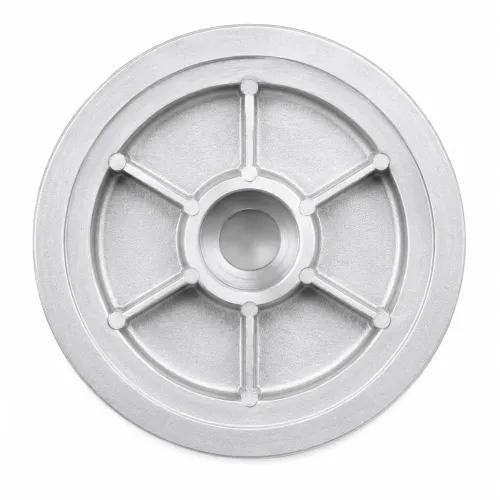
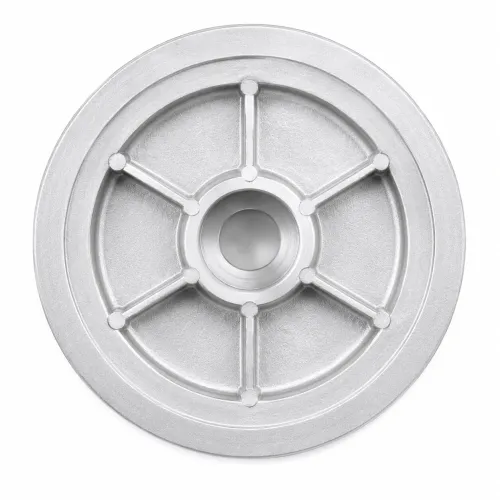
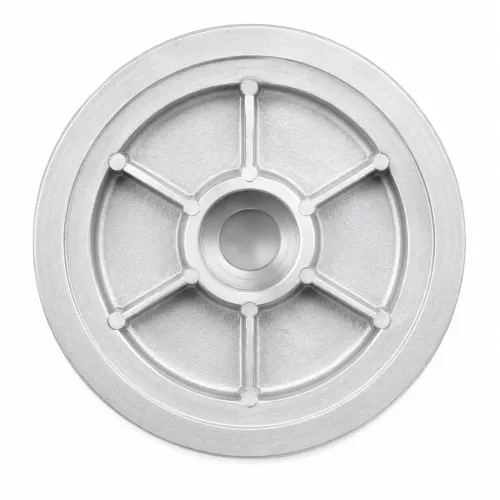
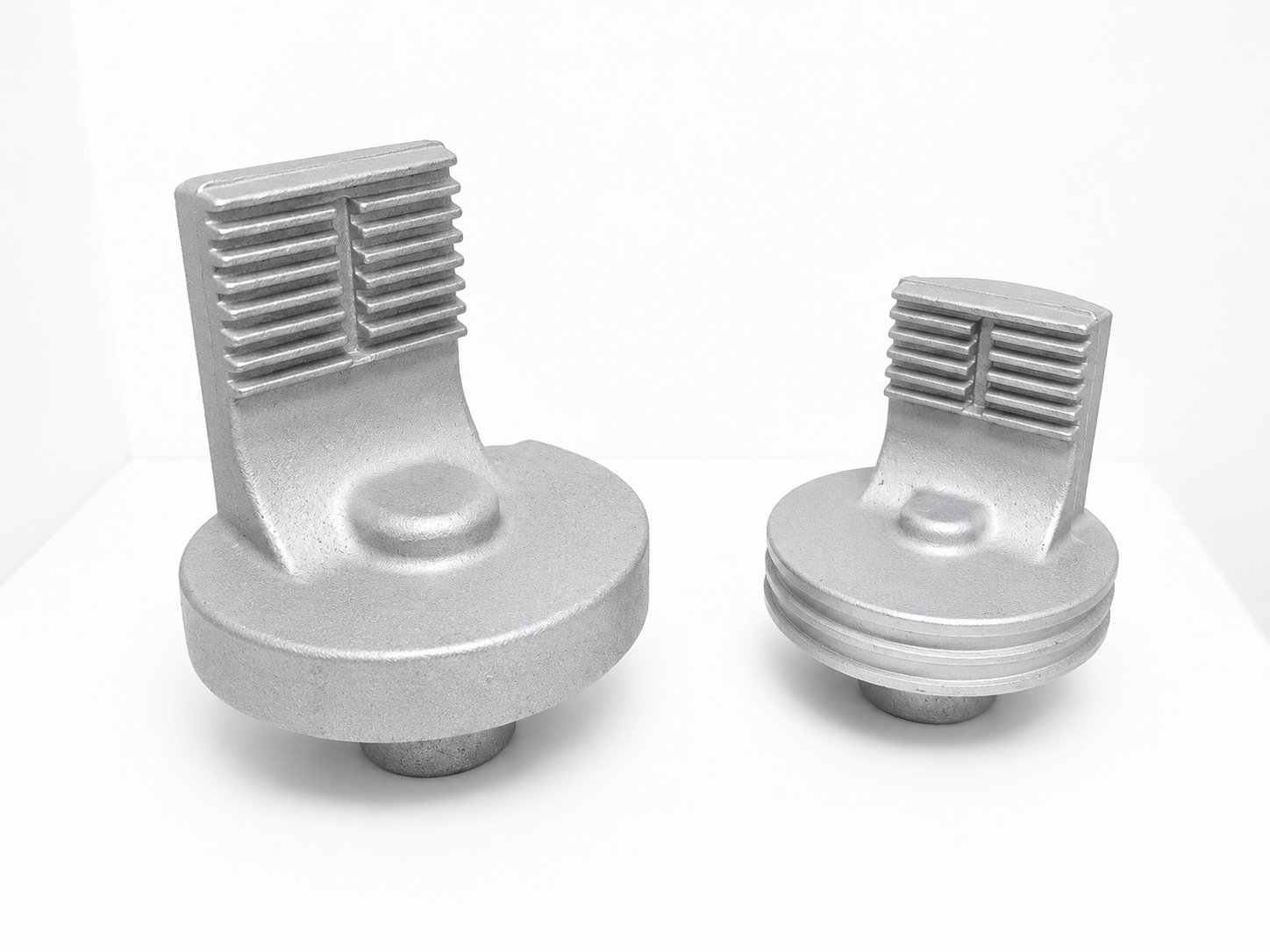 | Aluminium Gravity Die Castings Piston A piston is a short, cylindrical metal part that slides back and forth inside a hollow cylinder. |
Use a machine-specific buying checklist before choosing locally
Before ordering a piston for machinery in Chhatrapati Sambajinagar, record the machine’s actual duty cycle, not just its bore diameter. An aluminium piston for industrial equipment in Chhatrapati Sambajinagar must match the pressure, temperature, speed, side load, sealing system, and expected service life.
Collect these details before requesting a quotation:
- Bore diameter, stroke, piston length, pin diameter, pin location, and drawing revision.
- Maximum and continuous pressure, rotational or reciprocating speed, cycle frequency, and operating temperature.
- Cylinder material, liner hardness, surface finish, clearance, seal profile, ring arrangement, and lubrication method.
- Side load, guide arrangement, corrosion exposure, working fluid, and contamination risks.
- Required alloy and temper, such as A356/AlSi7Mg, heat treatment, casting route, and pressure-tightness requirement.
- CNC-machined tolerances for the skirt, ring grooves, pin bore, sealing land, faces, and concentricity; keep these separate from casting tolerances.
- Inspection records, batch or heat number, packaging, surface protection, and transport controls. Require clean, dry parts because coolant residue and moisture can trigger galvanic corrosion in mixed-metal assemblies.
Compare the application before choosing locally:
| Option | Strength | Main trade-off |
|---|---|---|
| Aluminium | Low mass and rapid heat transfer | Higher expansion and wear sensitivity |
| Ductile iron | Strong wear resistance and stiffness | Greater reciprocating mass |
| Steel | High load and temperature capability | Highest machining and mass penalty |
Reject a quote that offers only “standard aluminium” without alloy, heat treatment, inspection, and traceability.
Frequently asked questions
When is an aluminium piston suitable for industrial equipment?
Aluminium suits pistons running near ambient temperature at moderate pressure and speed when reducing reciprocating mass and improving heat transfer matter.
How does aluminium compare with iron, steel, and reinforced piston designs?
Aluminium reduces mass and transfers heat quickly, while iron and steel offer greater wear resistance and stiffness; reinforced designs address higher loads or demanding wear conditions.
How do temperature, bore geometry, and surface finish affect piston clearance?
Set clearance from the piston and cylinder’s operating temperatures, measured bore geometry, and surface finish rather than relying on a standard nominal gap.
What should you specify when buying aluminium piston castings?
Name the alloy, casting process and inspection requirements, dimensional tolerances, and every surface that requires machining or a defined finish.