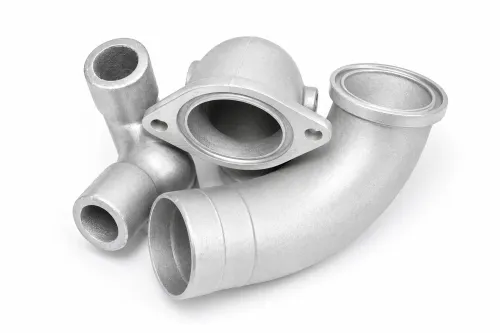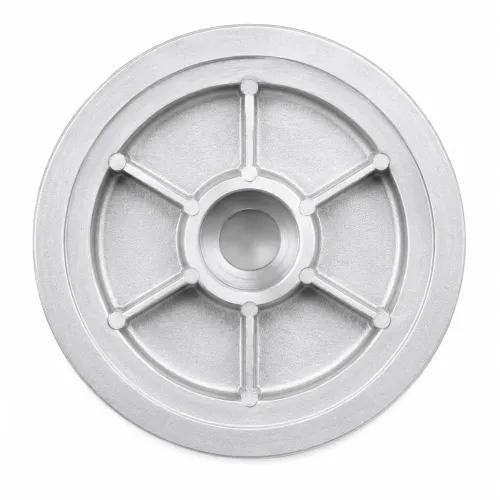

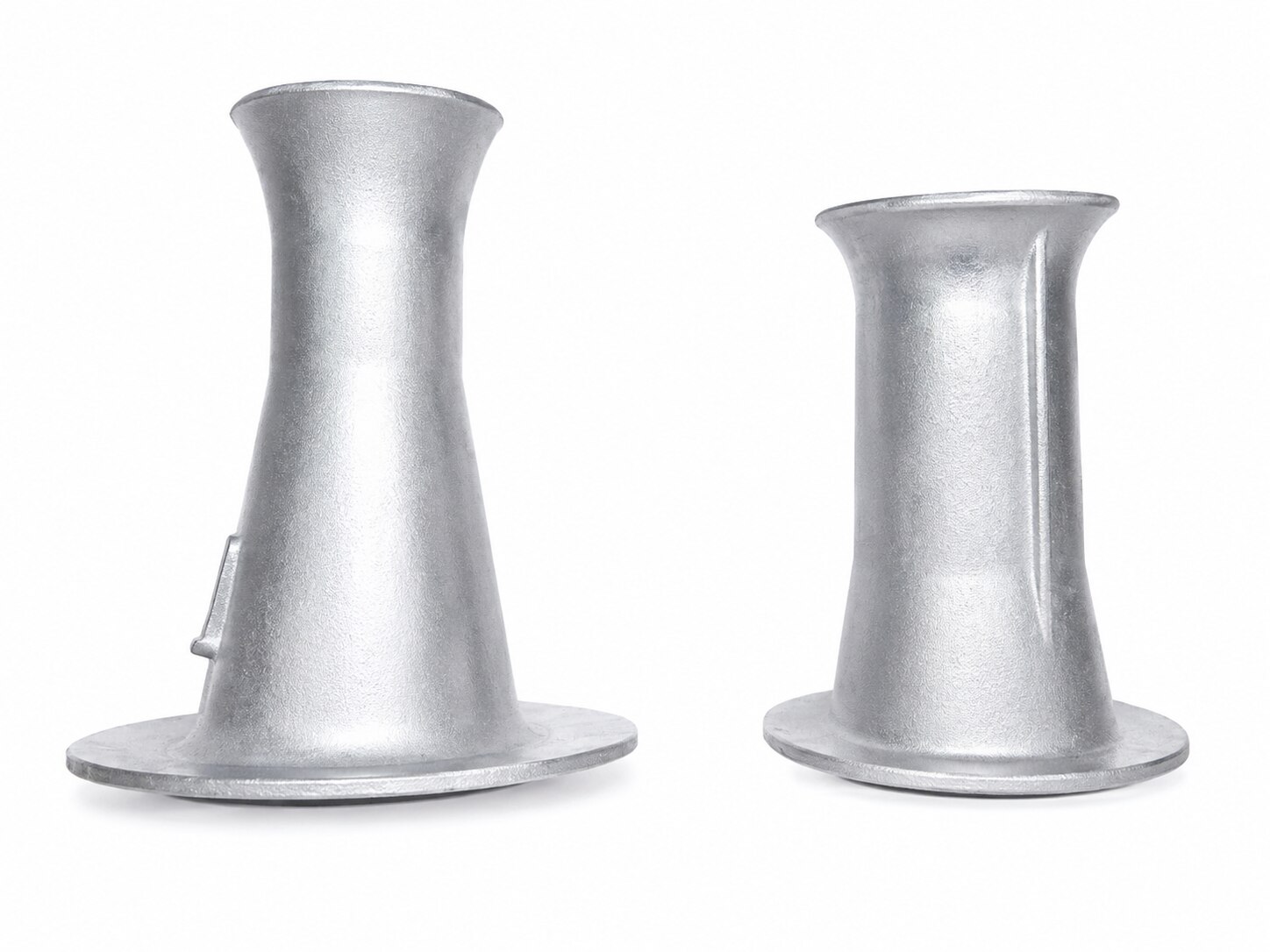
“Aluminium venture castings” is not a recognised alloy or casting classification, and “value brass GDC” does not identify a single brass grade. You will be able to decode both terms, compare the materials and production risks, and specify the casting that fits your pressure, weight, temperature, corrosion and connection requirements.
Key takeaways
- Treat both terms as catalogue language until the supplier names the alloy grade.
- Choose aluminium for lower weight; choose brass for wear, threads and corrosion resistance.
- Compare casting method, machining allowance, pressure testing and defect controls—not price alone.
- Ask Chhatrapati Sambhajinagar suppliers for alloy, drawings, inspection reports and sample parts.
What do “aluminium venture castings” and “value brass GDC” actually mean?
Neither “aluminium venture castings” nor “value brass GDC” identifies a recognised alloy grade. Treat both as search or catalogue language until the supplier provides a technical specification.
GDC means gravity die casting: molten metal fills a reusable metal mould under gravity. High-pressure die casting uses an injection piston to force metal into the die, so do not treat GDC and HPDC as interchangeable process descriptions.
“Venture castings” is probably a spelling or marketing variation of “Venturi castings”. Venturi normally describes a flow geometry or application, not an aluminium alloy or casting method. Ask for the exact aluminium alloy, temper and casting drawing; never accept “venture” as the specification.
“Value brass GDC” is not a standard brass designation. “Value” could be a product-family label, a commercial description or a typing variation. Ask for the copper-alloy grade, such as an applicable EN 1982 or UNS designation, plus pressure-service requirements.
| Term | What it tells you | What to request |
|---|---|---|
| Aluminium venture castings | Unclear product wording | Alloy, temper and drawing |
| Brass GDC | Gravity die casting, not a brass grade | Grade, process and pressure test |
A brass label without zinc, lead, silicon and heat-treatment information cannot predict machinability, corrosion resistance or pressure-tightness. Compare the material certificate, casting drawing, machining drawing and inspection plan—not two vague catalogue names.
How aluminium and brass compare in a working component
At equal external volume, aluminium weighs about one-third as much as brass: common aluminium casting alloys are 2.6–2.8 g/cm³, while many cast brasses are 8.3–8.7 g/cm³. That makes aluminium venture castings the stronger starting point for lightweight housings, covers, rotating equipment and heat-dissipating parts.
| Option | Material-level advantage | Main design consequence |
|---|---|---|
| Aluminium gravity die casting | Low mass; Al-Si alloys offer good fluidity and resistance to hot cracking | Silicon can increase cutting-tool wear and leave hard particles on machined surfaces |
| Brass GDC | Higher density, hardness, conductivity and thread robustness | Greater component weight, but better for repeated assembly, wear-prone seats and hot-water service |
| Either material | Strength depends on grade, section size, cooling rate and temper | Compare tensile strength, yield strength and hardness from the specified datasheet |
Do not quote from the words aluminium or brass alone. Specify an aluminium grade such as LM6, its temper and required properties; for brass, request the exact designation, such as CuZn39Pb3 or CW617N. Leaded free-machining brass reduces machining effort, but lead restrictions apply in potable-water, food-contact and other regulated service.
Aluminium requires galvanic isolation from brass, copper and stainless steel in wet or salty conditions. For a threaded or wear-loaded part, brass can justify its weight; for mass-sensitive equipment, aluminium usually wins.
When the casting process changes cost, accuracy and defect risk
Aluminium gravity-die castings and brass GDC can meet the same final dimensional and surface requirements, but not with the same tooling burden or defect controls. Both require a reusable die, draft angle, controlled filling, vents, feeders and directional solidification.
| Factor | Aluminium gravity die casting | Brass GDC |
|---|---|---|
| Handling load | Lower die and component weight | Higher load because brass is denser |
| Defect control | Oxide film and hydrogen porosity require melt treatment and venting | Dross, zinc-related fumes, shrinkage and gas porosity require tighter melt control |
| Machining effect | Excess stock increases tool wear and can expose porosity | Excess stock increases cutting effort, cycle time and breakthrough risk |
The die must prevent misruns, cold shuts, oxide or dross inclusions, gas porosity, shrinkage cavities and hot tears. A surface that looks sound can still reveal porosity during CNC machining, including on venturi castings.
Use this quotation procedure:
- Give the foundry the proposed wall thickness, minimum section, draft angle, parting line and required casting-stage tolerance. Compare prices only after these features are defined.
- Separate casting tolerances, machining allowances, datum references and final machined tolerances. ISO 8062-3 covers casting-stage dimensional and geometrical tolerances; it does not define bore, face, thread or sealing-land tolerances.
- Reserve enough stock to remove the die skin and near-surface defects, then validate it with first-off sections or process-capability results. Too little stock leaves defects; too much raises machining time, tool wear and breakthrough risk.
- For brass GDC, require controlled melt temperature and zinc-fume precautions. For aluminium, require hydrogen control and effective venting.
Which material fits valves, pump passages and threaded connections?
Choose aluminium when low mass, heat dissipation and easier handling outweigh the need for a dense, durable threaded interface. Choose brass when the part needs repeated assembly, wear-resistant seats, higher density or service around hot water.
| Requirement | Aluminium gravity-die casting | Brass GDC |
|---|---|---|
| Low mass | Strong advantage at roughly 2.6–2.8 g/cm³ | Many grades are roughly 8.3–8.7 g/cm³ |
| Threads and seats | Use inserts or generous engagement where needed | Better suited to durable threads and wear-resistant seats |
| Wet service | Isolate from brass, copper and stainless steel | Check dezincification and lead restrictions |
| Pressure containment | Define alloy, temper, porosity controls and test evidence | Never assume pressure-tightness from the label |
Use aluminium only with a named alloy, temper, pressure test and galvanic-isolation strategy. Isolation washers, coatings, sealants and drainage can prevent a wet joint from turning into a galvanic corrosion cell.
Treat value brass gdc as a commercial label until the supplier states the grade. Ask for an applicable EN 1982 or UNS designation, such as CW617N or CuZn39Pb3, because lead-bearing free-machining brasses cut easily, while lead restrictions apply to potable-water, food-contact and other regulated service.
A brass casting is not automatically leak-free. Shrinkage, entrained oxide films, gas porosity and zinc-related melt problems can leak through a valve or pump body. Put these items on the purchase specification:
- Working fluid, pressure, temperature, corrosion exposure and impact load
- Connection design, test method, test pressure, duration and acceptance limit
- Sectioned first-off samples or radiographic, penetrant, dimensional and pressure-test evidence where risk justifies it
Material price alone is a poor rule: thread repairs, sealing failures, isolation hardware and early replacement can cost more than the casting.
How to compare suppliers in Chhatrapati Sambhajinagar
Compare suppliers by the evidence they return, not by the label “value.” Search for Aluminium Venture Castings or Value Brass GDC in Chhatrapati Sambhajinagar and Aurangabad, the city’s former name, when checking foundries and CNC-machining suppliers.
Ask every supplier to submit:
- Proposed alloy designation, chemical certificate, casting method, die material, die-maintenance plan, draft assumptions and machining allowances.
- Inspection points, machining datum scheme, surface-finish target, rejection criteria and drawing-review comments.
- For pressure parts, the written leak-test method, test pressure, duration, acceptance limit and traceability from casting heat or batch to machined component.
- For aluminium, controls for hydrogen porosity and oxide films, plus the isolation strategy for brass or stainless-steel hardware.
- For brass, lead content, zinc-evaporation controls, pressure suitability and the exact EN 1982 or UNS grade.
| Evidence to compare | What it proves | Warning sign |
|---|---|---|
| Drawing review | The supplier understands draft, allowance, datums and final tolerances | Generic quotation with no marked-up drawing |
| First-off sample | The process produces the required casting and machined surfaces | No sectioned or measured sample |
| Inspection plan | Defects and functional dimensions have defined acceptance limits | “Visual inspection” only for a pressure body |
SPM Castings can be relevant when one supplier must control gravity casting, CNC datums, machining allowance and final tolerance together. Compare its submitted drawing review, sample evidence and inspection plan against alternatives.
Do not choose between aluminium venture castings and value brass GDC from material price alone; missing leak evidence, traceability or rejection criteria can cost more than the casting.
Related products
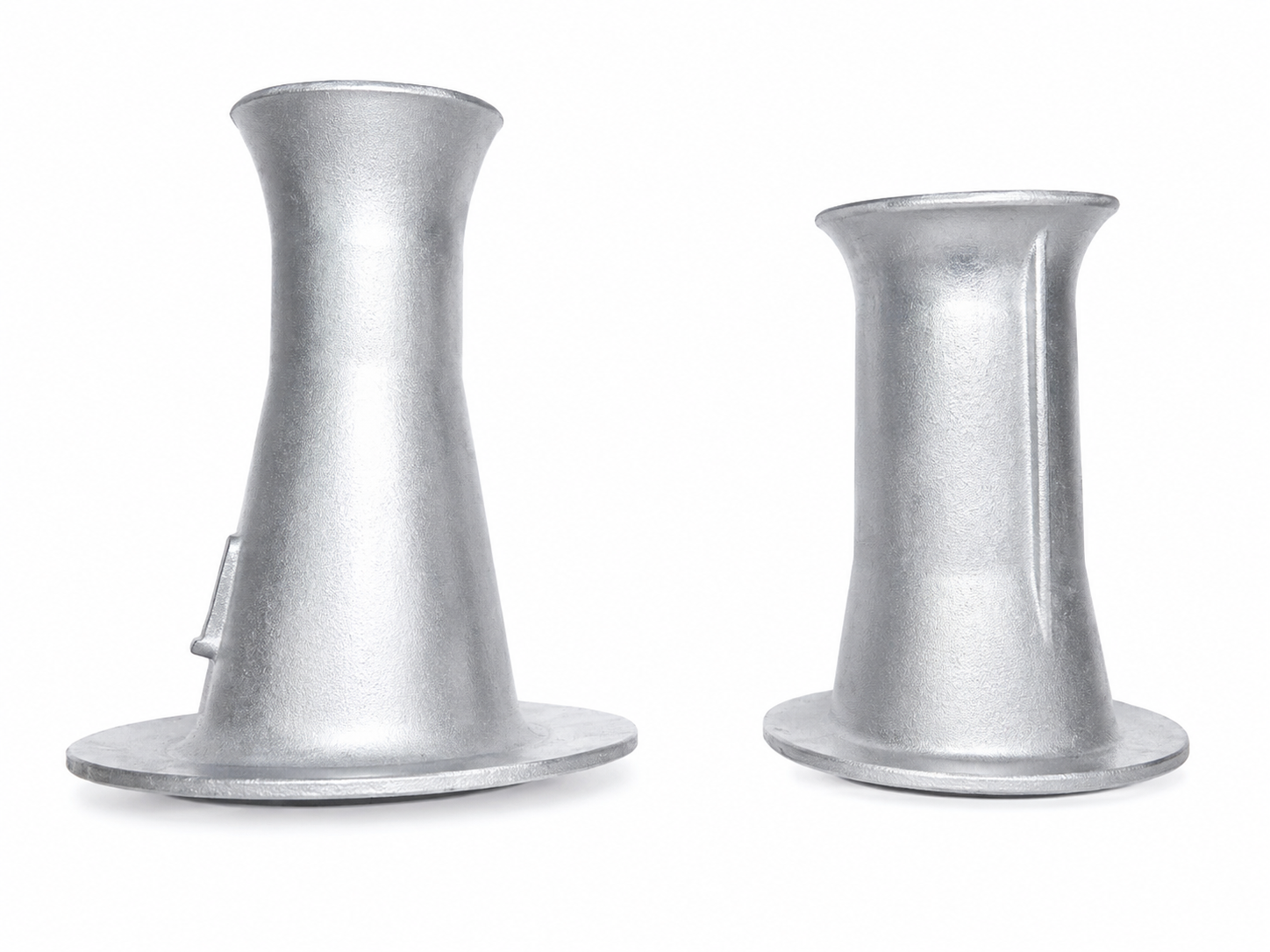 | Aluminium Gravity Die Castings Aluminium Gravity Die Castings in LM6 Material View product → |
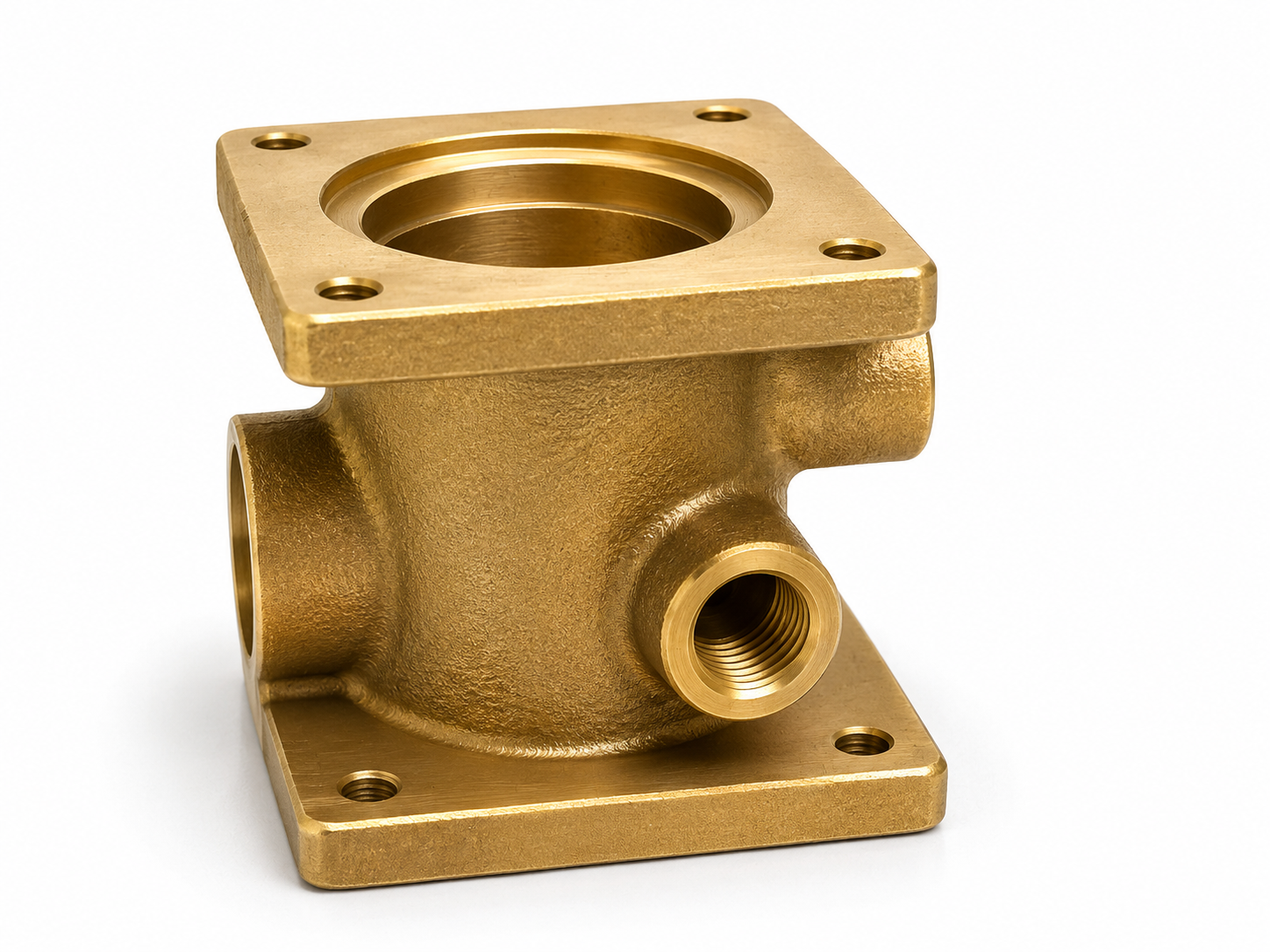 | Brass Gravity Die Castings A brass valve is a mechanical device used to control, regulate, or direct the flow of liquids and gases within a piping system. View product → |
Frequently asked questions
What do “aluminium venture castings” and “value brass GDC” mean?
Neither phrase identifies a recognised alloy grade. Ask the supplier for the exact alloy designation, casting process, heat treatment and inspection requirements.
How do aluminium and brass compare in a working component?
Aluminium reduces component weight, while brass offers higher density, good wear resistance and dependable performance for many threaded or fluid-contact parts. Compare strength, corrosion exposure, temperature and machinability for the actual design.
When does the casting process change cost, accuracy and defect risk?
The process affects tooling cost, dimensional repeatability, surface finish, machining allowance and risks such as porosity, shrinkage and misruns. Compare the proposed process with the required batch size and tolerances.
Which material fits valves, pump passages and threaded connections?
Select the material after checking pressure, fluid chemistry, temperature, wear and thread loading. Aluminium suits weight-sensitive designs; brass is often preferable where threads, wear or corrosion resistance govern.
How should you compare suppliers in Chhatrapati Sambhajinagar?
Request the alloy certificate, casting-process details, approved drawing, control plan, dimensional report, pressure-test records where applicable, and sample approval before comparing quotations.